
Children’s Books in Germany: An Age-by-Age Guide
Discover how to choose books for ages 3–5, 6–8 and 9–12, with practical tips on stories, educational books and family reading routines.
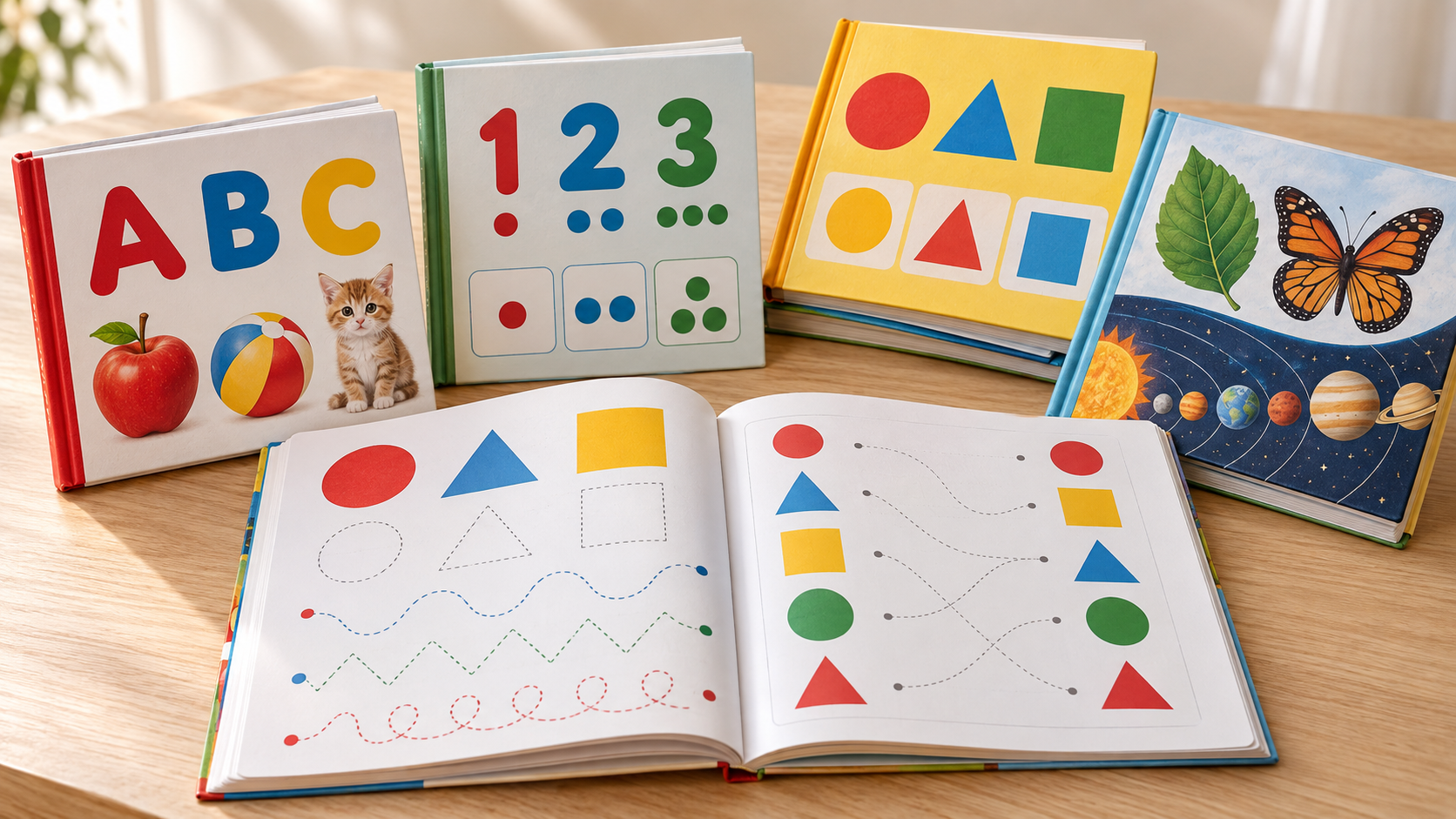
For families living in Germany, a Turkish children’s book can be a welcome invitation to share a story and make room for Turkish in everyday life. Choosing the right one involves more than checking the age printed on the cover. Your child’s interests, Turkish vocabulary and whether you will read together also matter.
This guide looks at Turkish children’s books for three age groups. Treat these as starting points rather than fixed rules: two children of the same age may have very different experience of reading Turkish.
Ages 3–5: pictures, repetition and reading together
At this age, sharing the experience matters more than finishing the book. Clear pictures, short sentences and repeated phrases are useful things to look for. Familiar subjects such as animals, family, friendship and daily routines can give you plenty to talk about.
After a page, ask, “What do you think is happening here?” Pointing at a picture or answering with one word is part of joining in. If your child asks for the same story again, it is fine to reread it. You do not need to reach the last page every time.
Ages 6–8: short stories and manageable steps
For children beginning to read, look for short sections, clear print and illustrations that support the text. A child learning to read in German may not find a Turkish text equally easy. Some letters and unfamiliar words may need practice together.
Try taking turns: you read one paragraph and your child reads the next. Explain a difficult word with a brief example, then return to the story. Questions such as “What would you do next?” create conversation without turning every sentence into a test.
Explore [Stories and Fairy Tales](/en/categories/childrenBooks?subcategory=stories) for narrative books. If your child enjoys colouring, matching or word activities, browse [Educational and Activity Books](/en/categories/childrenBooks?subcategory=educational-activities). Always check each product’s language and description before choosing.
Ages 9–12: let interests guide the choice
Adventure, humour, animals, history or science can be starting points, depending on what your child enjoys. A longer book is not automatically a better choice. An engaging, understandable text may be more appealing than a substantial book that feels too difficult.
Offer two or three options and let your child help decide. If reading Turkish feels tiring, start with short chapters or read together. Afterwards, talk about a favourite character or imagine a different ending. There is no need to rush towards more demanding books.
Storybooks or educational books?
Stories invite conversations about characters, choices and experiences. Activity books may offer exercises involving letters, words, numbers or observation. Contents vary, so the word “educational” on the cover is not enough to tell you whether a particular book suits your child.
A practical approach is to pair a story your child likes with an activity book on a topic they enjoy. Families looking for religious content can also browse [Religious Children’s Books](/en/categories/childrenBooks?subcategory=religious-children-books). As with any book, consider whether the language and content suit your child’s understanding and questions.
Making room for Turkish at home
Choose a small routine that fits family life rather than planning a long daily reading session. Ten minutes before bedtime can be a starting point. Keep books within reach and allow favourite stories to return.
If your child answers in German, keep the conversation going. You can naturally restate their idea in Turkish without interrupting every contribution to correct it. The aim is to make time with Turkish books feel welcoming and enjoyable.
You can also connect a story to everyday life: talk about a character while walking to school, name something from the book while cooking, or invite your child to explain a picture to a family member. Keep these moments relaxed.
A checklist before you order
Start with the available sections in [NOOR BOOKS’ Children’s Books category](/en/categories/childrenBooks). The best starting point is a book your child wants to open, with someone who is happy to share it.